
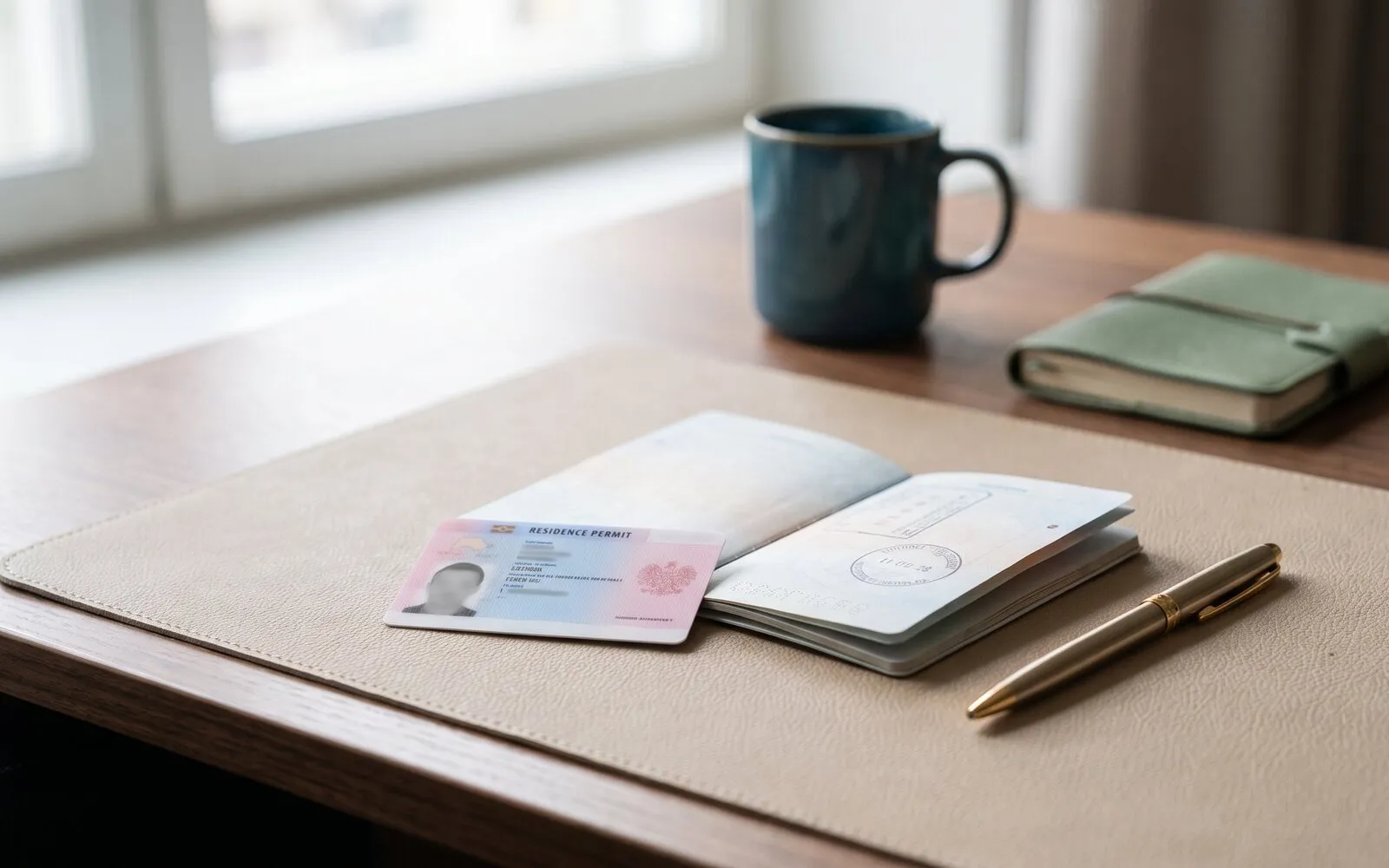
For a non-EU national, a residence permit obtained through marriage becomes a source of worry as soon as a separation looms. The fear is simple and understandable: will I have to leave Luxembourg? The answer deserves nuance, because the end of a relationship does not automatically end the right to stay. Understanding what may work in your favour is the first step to approaching this period more calmly.
Divorce does not make you lose everything
This is a very common but inaccurate belief. The law provides for situations in which residence can be retained despite the end of cohabitation. Several factors come into play, such as the length of the marriage, the presence of children or your integration in the country. None of these guarantees retention on its own, but each can weigh. Because each case is assessed individually, a careful review of your situation is valuable to identify the arguments that are genuinely useful in your file.
Particularly difficult circumstances
The law recognises that some breakups happen in a context of suffering, notably where there has been violence within the couple. These situations can justify retaining the right of residence, regardless of the divorce itself. It is important to talk about it, in full confidence, because this dimension is taken into account in a specific way. The fear of losing one's status should never stop a person from protecting themselves or asking for help.
The role of children and a settled life
When children live in Luxembourg, or when you have built a life here over several years, these elements can weigh in the review of your situation. The children's schooling, their attachments and the stability of their environment are part of what is looked at. These factors are not enough on their own, but they are among the arguments to present with care and at the right time.
Acting early, the decisive factor
In residence matters, timing plays a decisive role. Steps with the authorities are bound by rules, and a late reaction can reduce your options, sometimes irreversibly. As soon as a separation becomes likely, taking stock lets you gather the right documents, understand your rights and anticipate rather than react. Waiting until the situation is settled often leaves less room for manoeuvre.
Connecting residence and family proceedings
The timing of your divorce and that of your residence steps influence one another. A decision on one can have direct effects on the other, for example on the right moment to start a given step. Handling them together, in a single line of thinking, prevents progress on one side from weakening your situation on the other. That is the whole point of support that connects the family and administrative sides.
Gathering the evidence of your life in Luxembourg
In this kind of case, your situation is demonstrated as much as it is told. The elements that attest to your settled life and integration can play a useful role: proof of address, the children's schooling, your working life, your ties in the country. Gathering these documents calmly, before a decision is requested, spares you from having to reconstruct everything in a hurry. The same applies to more sensitive elements, when the separation takes place in a difficult context: it is better to raise them early with your lawyer, in confidence, to know what can be taken into account and how. The point is not to build a case against anyone, but to present your situation fully and faithfully. A clear, well-prepared file is often what makes the difference between a step you endure and one you control.
Your lawyer's role with the authorities
Residence procedures can be daunting, especially in a language that is not your own and at an already difficult time. Your lawyer's role is to help you understand what is being asked, present your situation clearly and fully, and put forward your arguments at the right moment. They also help you avoid the mistakes that, in a residence case, can have significant consequences. Being supported does not only change your chances: it also changes how you experience the procedure, moving from a sense of enduring it to a step you understand and control. That is often what makes it possible to approach this period with a little more peace of mind.
If your right of residence depends on your marriage and a separation is on the horizon, a first meeting lets you assess your options and secure your file at the right moment. You leave with a clear view of what can be done, and in what order.

About the author
Maître Stéphanie Makoumbou
Lawyer in Luxembourg
A family lawyer in Luxembourg, she supports families and expatriates, in French and English, with rigour and discretion.
Informational article. Not legal advice.
All newsContinue reading

4 min read
Divorce and the business: what happens to the company
The working asset you thought was personal often falls, at least partly, into the division.
Read the article : Divorce and the business: what happens to the company
4 min read
Going before the judge: preparing for the hearing
It is not a trial in the way people picture it. Knowing what to expect changes a great deal.
Read the article : Going before the judge: preparing for the hearing
4 min read
Separating when you were neither married nor partners
Years of life together, and yet almost no framework when the time comes to part.
Read the article : Separating when you were neither married nor partners